A commercial kitchen fire usually starts in cooking oil on the range, then travels through grease built up in the hood and duct to the ceiling and the whole building. Ordinary water does not suit oil fires, so kitchens have their own extinguishing system. This guide covers the regulatory reference, the systems usually required in the kitchen and the rest of the restaurant, and the mistakes that hold up a licence.
Key points
- The “Restaurants Requirements” refer to SBC 801 for all fire requirements and require Civil Defense approval before licensing.
- SBC 801 covers commercial kitchen hoods in Section 607 and commercial cooking extinguishing systems in Section 904.12.
- The hood system is usually a wet chemical system listed to UL 300.
- Discharge shuts off gas and power to the cooking equipment under the hood.
- Ceilings in food handling areas must be non-combustible, and ventilation must follow the code and the chimney guide.
What is the regulatory reference for restaurants and kitchens?
The “Restaurants Requirements” of the Ministry of Municipalities and Housing (Ministerial Decision 4600653138/1, 15/10/1446 AH) refer to SBC 801 for all fire prevention and protection requirements, require Civil Defense approval before the licence, require suspended and exposed ceilings in food handling areas to be non-combustible, and require ventilation to follow the Saudi Building Code and the ministry’s chimney guide for commercial activities. They allow a mezzanine of up to half the floor area where an approved automatic extinguishing system and audible alarm are installed.
In SBC 801, commercial kitchen hoods and ducts are covered in Section 607, and commercial cooking extinguishing systems in Section 904.12, among the alternative extinguishing systems of Chapter 9.
Systems usually required in a restaurant
| System | Location | General design note |
|---|---|---|
| Hood extinguishing system | Over the appliances, in the hood and duct | Wet chemical, UL 300 listed, with nozzles for each appliance |
| Fuel and power shut-off | Gas valve and cooking equipment power | Operates automatically on discharge |
| Manual release | On the exit path from the kitchen | Lets staff operate the system by hand |
| Class K extinguisher | Near the cooking equipment | For cooking oil and grease fires |
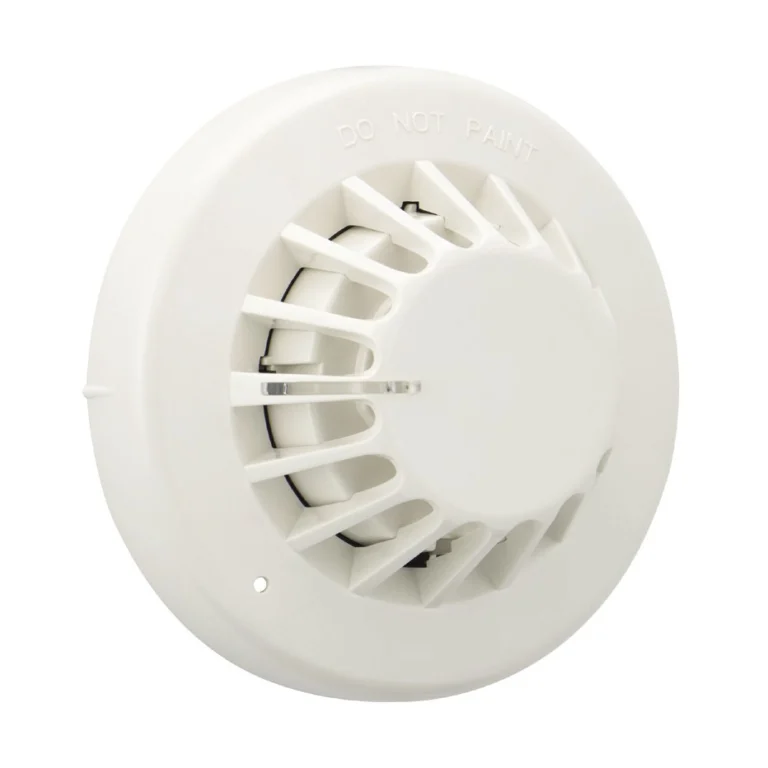
| Heat detection and alarm | Kitchen and prep rooms | Heat detectors suit kitchens better than smoke detectors |
| Automatic sprinklers | Dining, stores and the rest of the restaurant | Per SBC 801 for the use and area |
Hood and duct: the detail that holds up the licence
The extinguishing system is only half the protection. The other half is the hood and duct themselves: grease filters in place, a tight duct of the required material and thickness, and regular cleaning of built-up grease. NFPA 96 sets ventilation and cleaning practice, and the nozzle layout is tied to the position of each appliance under the hood. Any change to the appliance line-up, or a new appliance, needs the nozzles reviewed.
Warning
Never fight an oil fire with water. Do not move or replace cooking appliances with larger ones without the hood system installer reviewing it, because nozzle coverage is calculated for each appliance in its place.
Products for restaurants
| Part | Product | Note |
|---|---|---|
| Fixed heat detector | EATON UCHT-2W | Conventional, UL |
| Addressable heat detector | EATON ULMAH330 | Multi-mode |
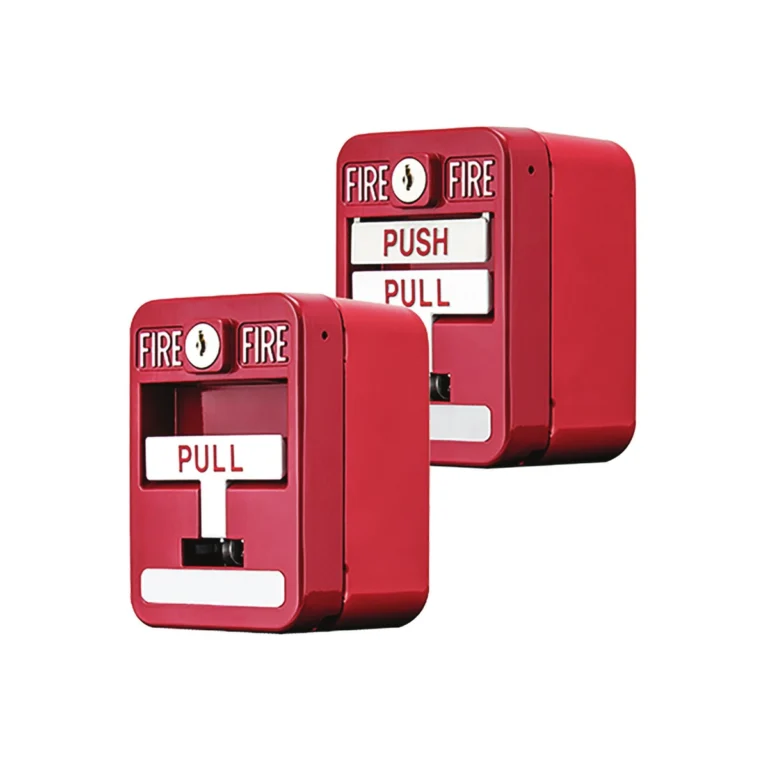
| Manual pull station | EATON EFM-APS200 | Addressable, dual action |
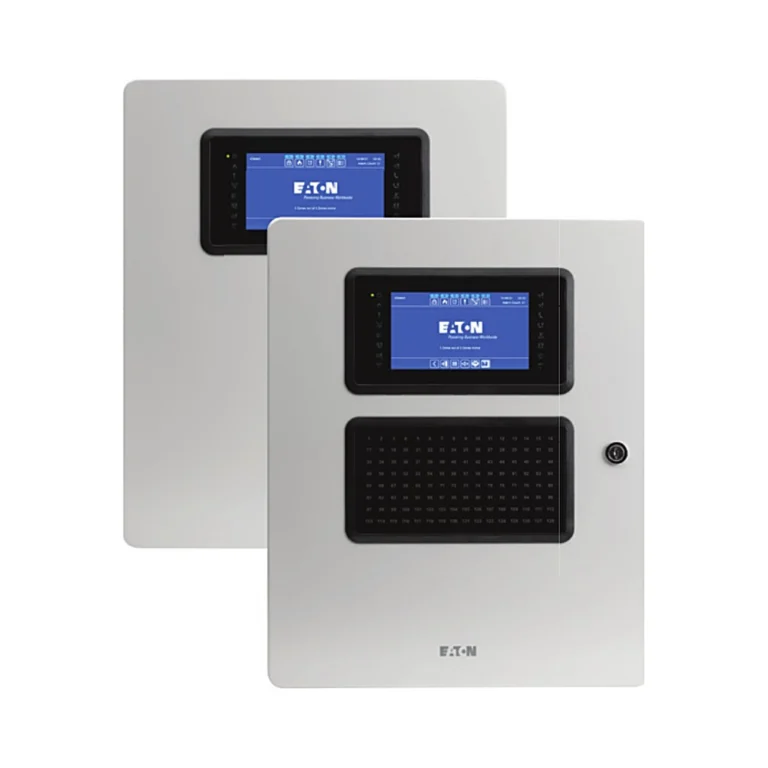
| Addressable alarm panel | EATON xDetect | For the whole restaurant |
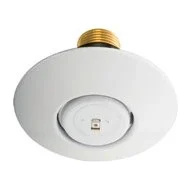
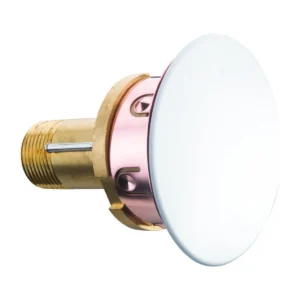
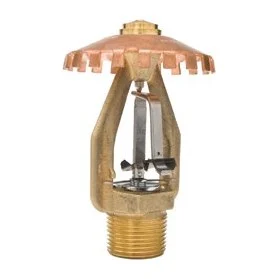
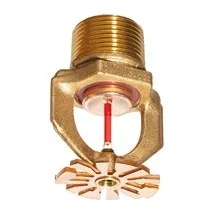
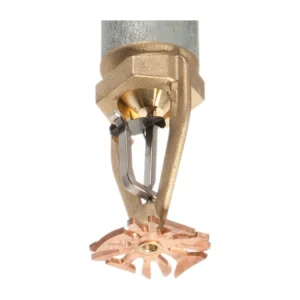
| Sprinklers | TYCO TY-B | Pendent and upright for dining areas and stores |
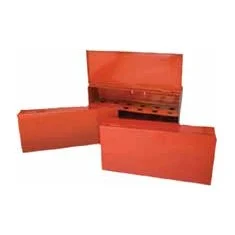
| Spare sprinkler cabinet | TYCO | Replacement sprinklers kept on site |
Kitchen hood extinguishing systems will be added to the website soon; until then, ask us about them.
We can help with the list
Send us the project drawings or your BOQ and we will prepare the list of UL/FM listed products with their datasheets and certificates. Request a quote or build the submittal.
Approval steps
- Fix the appliance line-up and fuel type: they are the basis of the hood and its extinguishing system.
- Design the ventilation, hood and duct to the building code and the chimney guide for commercial activities.
- Have the hood system, alarm and sprinklers designed by an engineering office approved by Civil Defense under SBC 801.
- Obtain Civil Defense approval before the licence is issued.
- Install and test, including gas and power shut-off and the manual release.
- Operate with a duct cleaning contract, periodic maintenance of the extinguishing system and staff training.
Common mistakes
- Adding or moving a cooking appliance without adjusting the system nozzles.
- A hood system that does not shut off the gas automatically on discharge.
- Smoke detectors over cooking areas causing repeated false alarms.
- Neglected duct cleaning, so built-up grease becomes fuel.
- Combustible suspended ceilings in food handling areas.
Frequently asked questions
Is an ordinary sprinkler over the cooking line enough?
Oil fires need a dedicated system. SBC 801 covers commercial cooking systems in Section 904.12, and they are usually listed to UL 300.
Why is the gas shut off on discharge?
Because a continuing fuel supply would reignite the fire after it is put out.
Which extinguisher suits a kitchen?
A Class K extinguisher for oils and grease, alongside what Civil Defense requires for the rest of the restaurant.
Is duct cleaning required?
Yes — regular cleaning is a core part of the protection, and NFPA 96 sets the practice.
References
- SBC 801 — Saudi Fire Code (2018 edition), Chapter 9: Fire Protection Systems.
- SBC 201 — Saudi Building Code — General: occupancy classification and Chapter 9 fire protection.
- Restaurants Requirements — Ministry of Municipalities and Housing, Ministerial Decision 4600653138/1, 15/10/1446 AH.
- NFPA 96 — Standard for Ventilation Control and Fire Protection of Commercial Cooking Operations.
- NFPA 17A — Standard for Wet Chemical Extinguishing Systems.
- UL 300 — Fire Testing of Fire Extinguishing Systems for Protection of Commercial Cooking Equipment.
Product information comes from its pages on this site and the manufacturer datasheets; other points are general engineering practice. Final design and selection rest with the project’s approved designer. This page is a general guide; it does not replace the adopted code text, the Civil Defense requirements or the review of an approved engineering office.