A warehouse is one of the hardest buildings to protect from fire: large combustible loads, high storage and narrow aisles between racks. That is why the sprinkler system is not chosen by floor area alone, but by the commodity, how it is stored and how high. This guide explains the regulatory reference in Saudi Arabia, the systems usually required in warehouses, and how to choose the right products.
Key points
- The main reference is SBC 801; the “Warehouses and Stores Requirements” refer to it for all fire requirements.
- Civil Defense approval is required before the warehouse licence is issued.
- The warehouse classification, S-1 (moderate hazard) or S-2 (low hazard), drives many of the requirements.
- Commodity and storage height decide the sprinkler type and design density — not floor area alone.
- High-hazard warehouses follow a different route and are built inside industrial cities.
What is the regulatory reference for warehouses?
The Ministry of Municipalities and Housing issued the “Warehouses and Stores Requirements” (1446 AH / 2025). Its fire prevention and protection clause refers to the Saudi Fire Code SBC 801 for all requirements, and it requires Civil Defense approval before the licence is issued. It classifies warehouses as S-1 or S-2 under SBC 201, and excludes high-hazard warehouses, which are built within the scope of the Saudi Authority for Industrial Cities and Technology Zones (MODON).
Other fire-related clauses in the same requirements include: a roof of fire-resistant materials, space for fire appliances to manoeuvre on site, evacuation plan signs and staff training, and extinguishers in the numbers and types set by Civil Defense. They also allow a mezzanine of up to half the floor area instead of one third when an approved automatic extinguishing system and audible alarm are installed.
Systems usually required in a warehouse
| System | Role | What decides it |
|---|---|---|
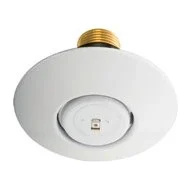
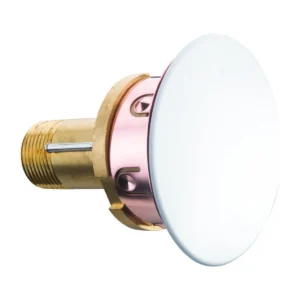
| Automatic sprinklers | Control or suppress the fire where it starts | Commodity class, storage height, rack type, ceiling height |
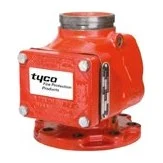
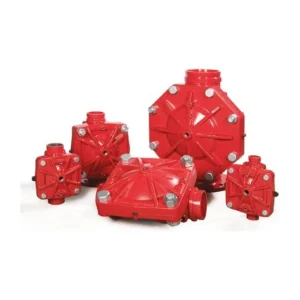
| Control and alarm valve | Admit water to the system and raise the alarm | System type: wet, or dry for cold stores |
| Fire pump and tank | Deliver the flow and pressure for the design duration | Hydraulic calculations and required duration |
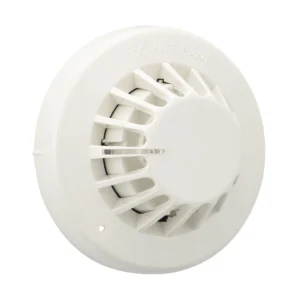
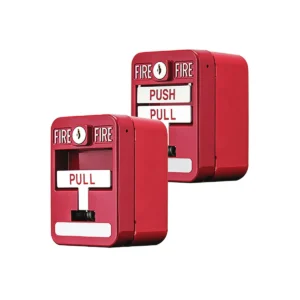
| Fire detection and alarm | Early warning, evacuation and valve supervision | Area, use and code requirements |
| Hydrants and fire department connection | Supply the fire brigade and back up the system | Site layout and fire appliance access |
| Hose reels and extinguishers | First-aid firefighting before Civil Defense arrives | Civil Defense classifications and activity |
Commodity and storage height: the detail that changes the design
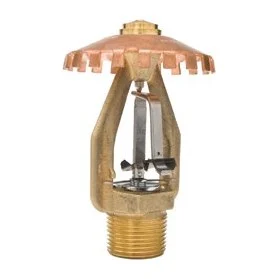
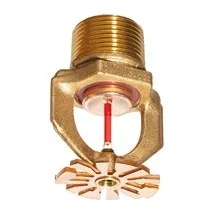
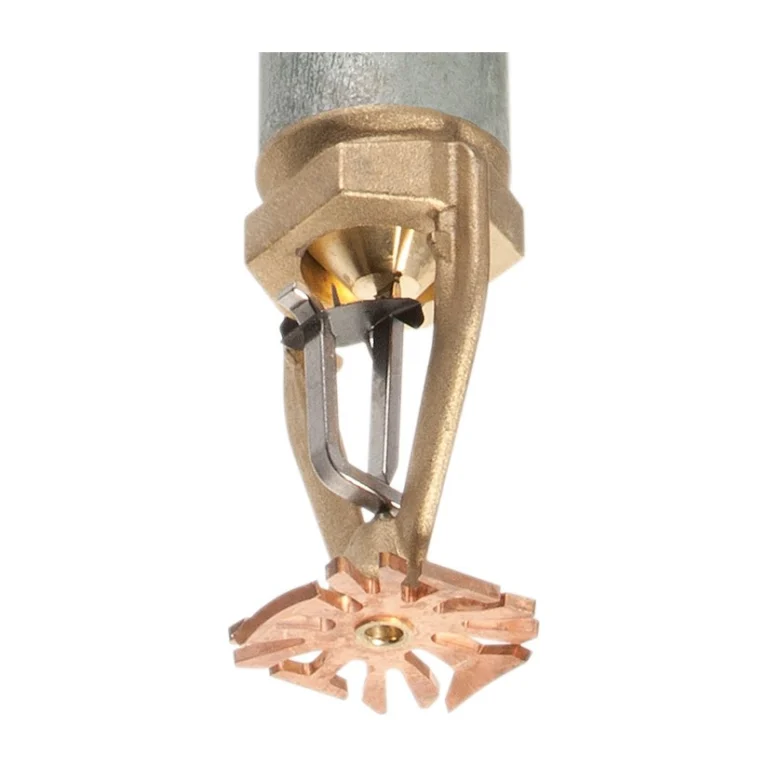
Warehouse design differs greatly between non-combustible goods on low pallets and cartoned plastics on high racks. NFPA 13 classifies commodities (Class I–IV, then plastics) and links the design density and the number of operating sprinklers to storage height. For high storage, designers usually turn to ESFR sprinklers at the ceiling, or to in-rack sprinklers when ceiling protection alone is not enough.
Warning
An ESFR sprinkler comes with strict limits: maximum ceiling and storage heights, clearance to the commodity, and an unobstructed spray path. Any later change in rack height or commodity can take the warehouse outside the design, so check with the designer before changing the storage.
Products for warehouse systems
| Part | Product | Note |
|---|---|---|
| ESFR upright sprinkler | TYCO ESFR-17 TY7126 | K 16.8, for high storage |
| ESFR pendent sprinkler | TYCO ESFR-17 TY7236 | For open ceilings, per the datasheet |
| ESFR dry sprinkler | TYCO ESFR-17 Dry TY7229 | For areas exposed to freezing, such as cold stores |
| Wet alarm valve | TYCO AV-1-300 | Main control station of a wet system |
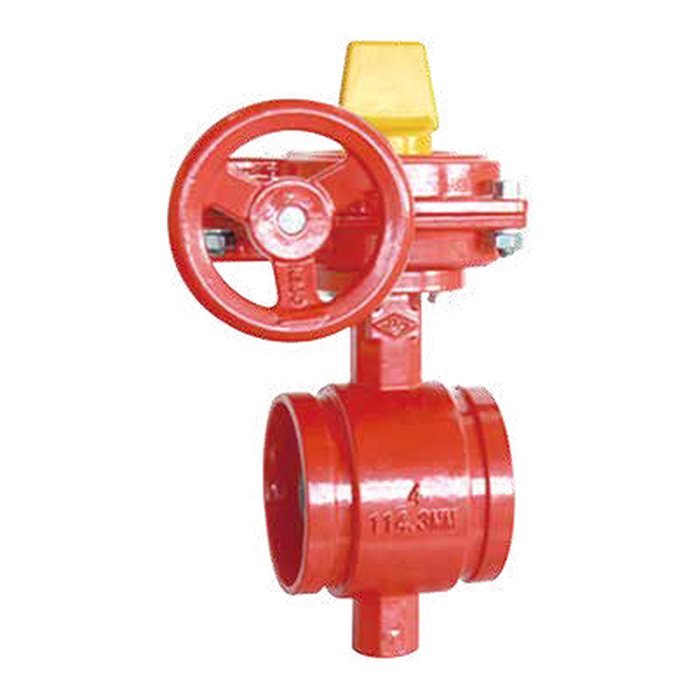
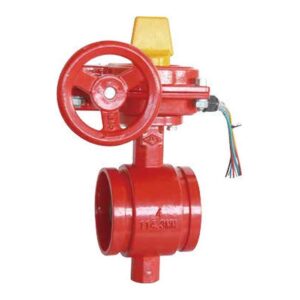
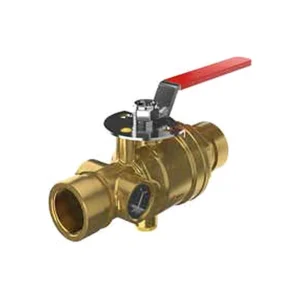
| Butterfly valve with tamper switch | MECH D381X | UL/FM listed |
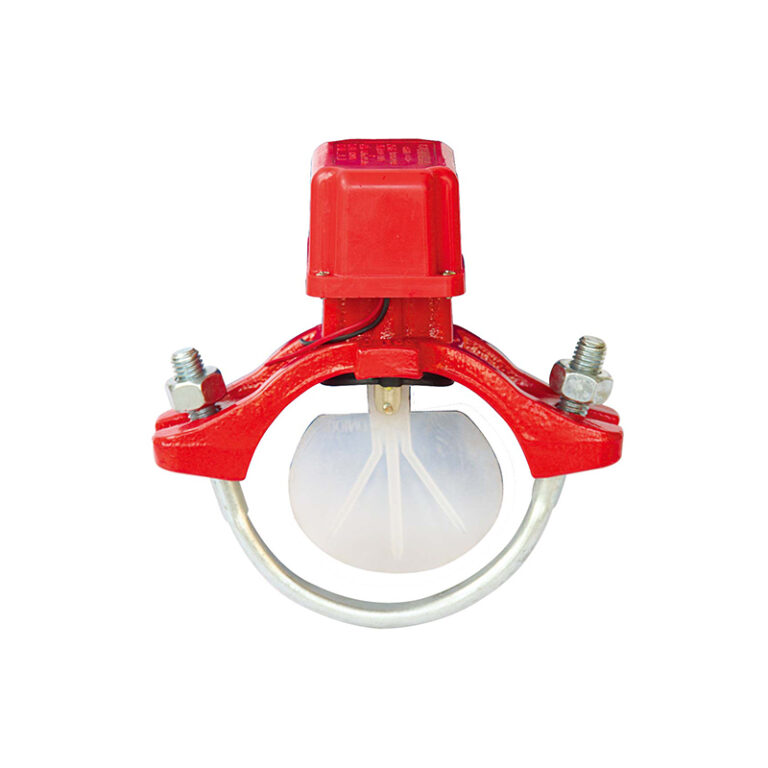
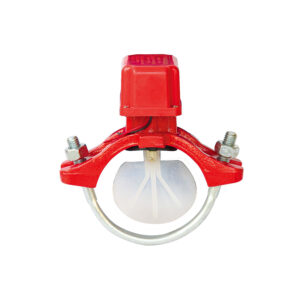
| Flow switch | MECH ZSJZYS | Identifies the zone where a sprinkler operates |
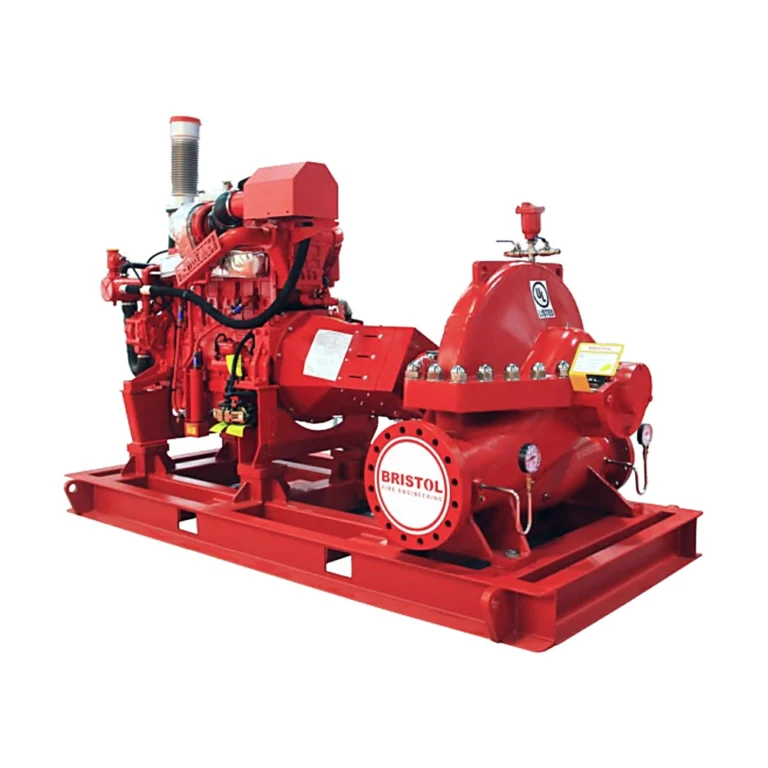
| Fire pump | BRISTOL BSP | Horizontal split case for large flows |
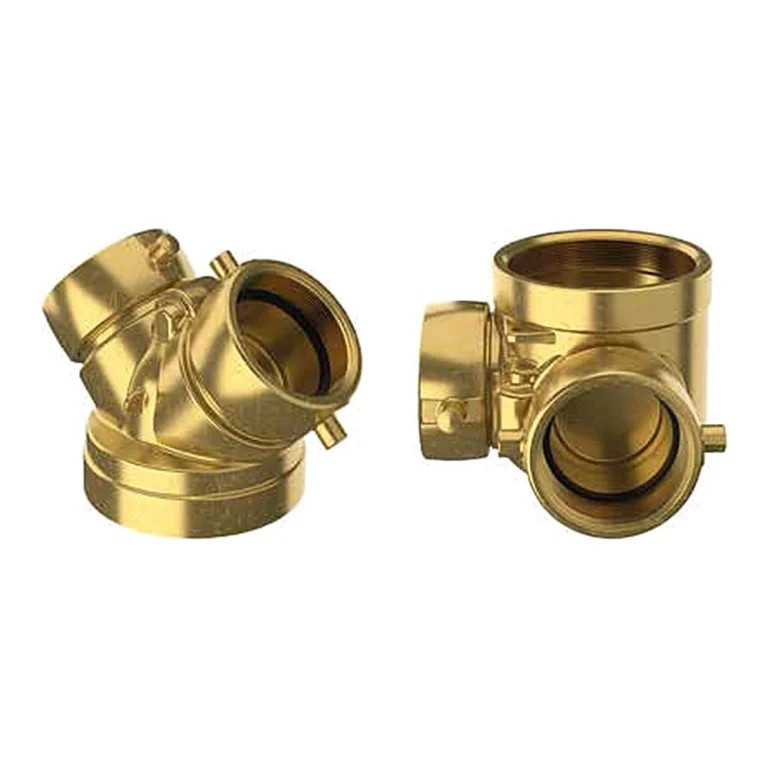
| Fire department connection | GIACOMINI A95 / A96 | Lets fire appliances feed the system |
See also fire pump types and fire water tank connections.
We can help with the list
Send us the project drawings or your BOQ and we will prepare the list of UL/FM listed products with their datasheets and certificates. Request a quote or build the submittal.
Approval and licensing steps
- Set the warehouse classification, S-1 or S-2, and the commodity, storage method and height.
- Have the protection systems designed by a qualified engineering office approved by Civil Defense, under SBC 801.
- Get the drawings approved and obtain Civil Defense approval before the licence is issued.
- Supply UL/FM listed products that match the drawings, and prepare the submittal (datasheets and certificates).
- Install and test, including the hydrostatic test, the pump test and the alarm test.
- Operate with an evacuation plan, staff training and periodic maintenance.
Common mistakes in warehouses
- Raising racks or changing the commodity after handover without reviewing the sprinkler design.
- Installing ESFR sprinklers under obstructions such as ducts or suspended lighting.
- Using a wet system in a cold store exposed to freezing.
- Choosing the pump before the hydraulic calculations are complete.
- Leaving the main valves without tamper switches connected to the alarm panel.
Frequently asked questions
Does every warehouse need automatic sprinklers?
SBC 801 sets when a sprinkler system is required by classification, area and use, and the approved engineering office determines it for each project. Even where it is not required, a system raises the level of protection and allows some design flexibility, such as a larger mezzanine.
When are ESFR sprinklers used?
Usually for high storage and heavy fire loads, when the ceiling and storage heights and the sprinkler limits allow it. The designer decides under NFPA 13 and the sprinkler datasheet.
How does a cold store differ from a normal warehouse?
A warehouse exposed to freezing needs a dry system or dry sprinklers so water does not freeze in the pipes.
Do you prepare the submittal for Civil Defense?
We prepare the product file: datasheets and UL/FM certificates. The design and the drawings submitted to Civil Defense are the responsibility of the project’s approved engineering office.
References
- SBC 801 — Saudi Fire Code (2018 edition), Chapter 9: Fire Protection Systems.
- SBC 201 — Saudi Building Code — General: occupancy classification and Chapter 9 fire protection.
- Warehouses and Stores Requirements — Ministry of Municipalities and Housing, 1446 AH / 2025.
- NFPA 13 — Standard for the Installation of Sprinkler Systems.
- NFPA 20 — Standard for the Installation of Stationary Pumps for Fire Protection.
- FM Global DS 8-9 — Storage of Class 1, 2, 3, 4 and Plastic Commodities.
Product information comes from its pages on this site and the manufacturer datasheets; other points are general engineering practice. Final design and selection rest with the project’s approved designer. This page is a general guide; it does not replace the adopted code text, the Civil Defense requirements or the review of an approved engineering office.