The four sprinkler system types differ in one thing: what fills the pipes before a fire, and what lets the water in. That decides how quickly water arrives, the risk of accidental discharge, and the main valve needed at the control station. This guide compares the systems side by side and explains when each is chosen.
Key points
- Wet: the simplest, fastest and most common; its main valve is the wet alarm check valve.
- Dry: for areas exposed to freezing, with a delay while air escapes and water arrives.
- Pre-action: needs a detector signal before water enters, to protect areas sensitive to leaks.
- Deluge: open sprinklers that all discharge together, for high hazards.
Side-by-side comparison
| Item | Wet | Dry | Pre-action | Deluge |
|---|---|---|---|---|
| In the pipes | Water | Compressed air | Air (supervised) | Empty |
| Sprinklers | Closed | Closed | Closed | Open |
| What releases water | Sprinkler heat | Sprinkler heat, then loss of air pressure | Detector signal (and sprinkler heat, by type) | Detector signal |
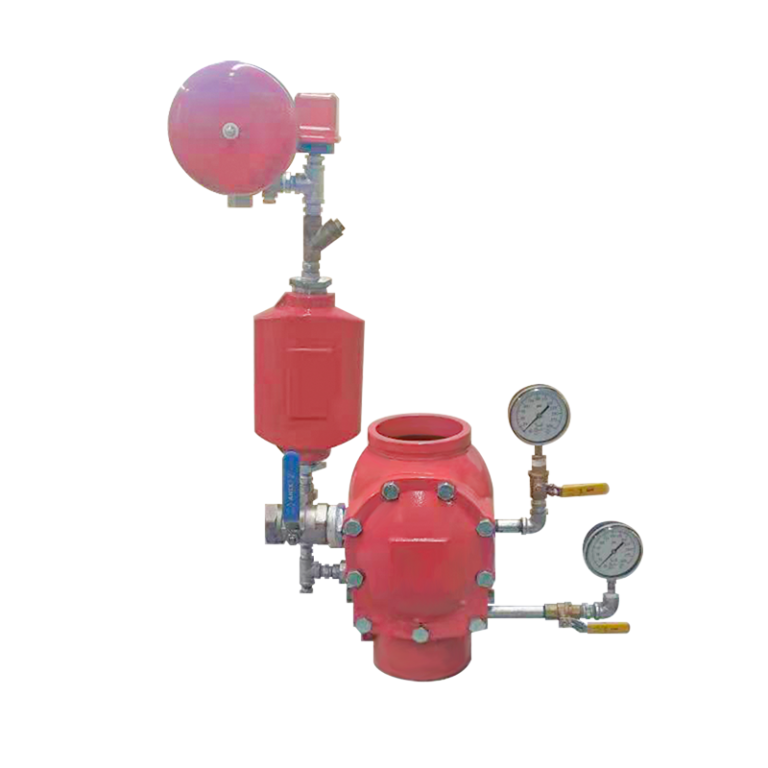
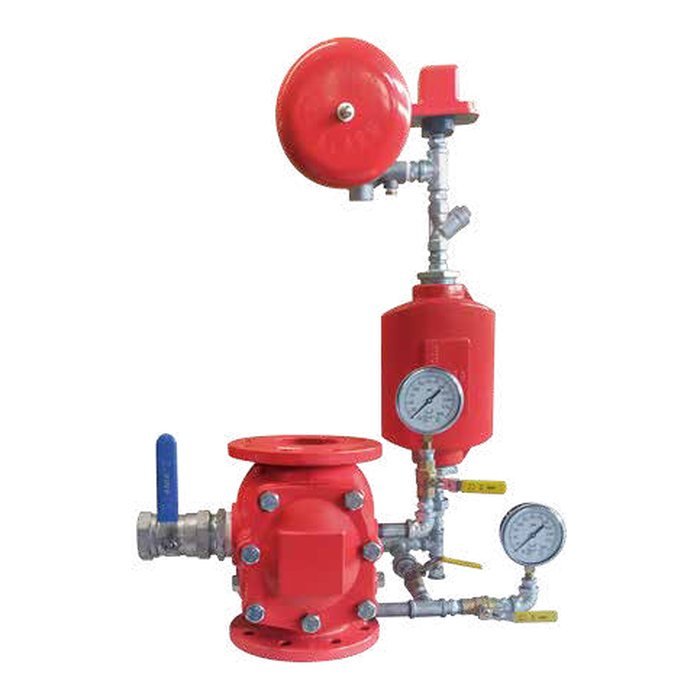
| Main valve | Wet alarm check valve | Dry pipe valve | Pre-action valve | Deluge valve |
| Water delivery | Immediate | Delayed | After the signal | Immediate at every sprinkler |
| Maintenance | Lowest | Higher (air compressor, drainage) | Highest (detectors and panel) | Medium |
Wet system
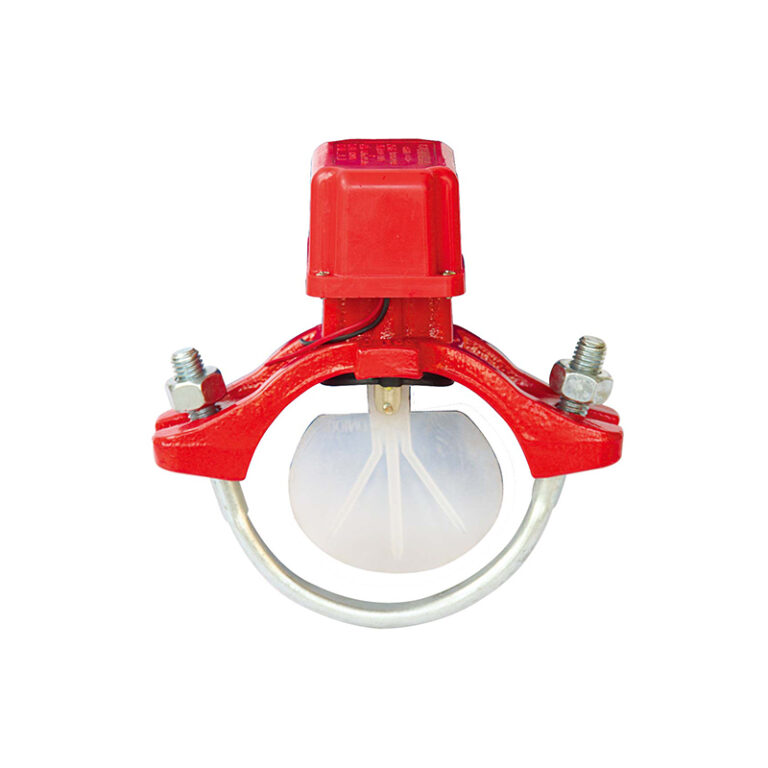
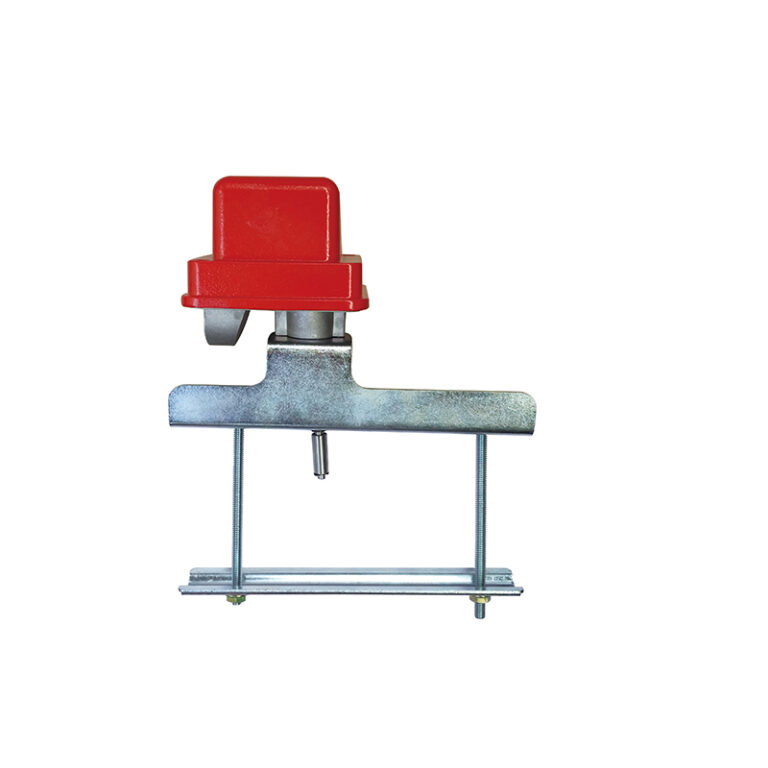
The pipes are full of water under pressure, and each sprinkler operates on its own when heat reaches it. The control station has a wet alarm check valve that raises the alarm on flow, and each floor has water flow indicators that locate the fire. It is used in most buildings because it is the simplest and cheapest to maintain. See the wet alarm check valve guide.
Dry system
The pipes beyond the valve hold compressed air or nitrogen that keeps the valve closed. When a sprinkler opens, the air escapes, pressure falls, the valve opens and water enters. It is used where water could freeze, such as cold stores and open car parks in cold regions. Its drawback is the delay before water arrives, which is why the standard limits the size of a dry system or requires accelerating devices.
Pre-action system
The pipes hold supervised low-pressure air, and the valve opens only on a signal from a detection system. It is used where accidental discharge is costly: server rooms, archives, museums. There are three types:
- Non-interlock: opens on a detector signal or on a sprinkler opening.
- Single interlock: needs a detector signal for water to enter the pipes.
- Double interlock: needs both a detector signal and a sprinkler opening.
Deluge system
The sprinklers or nozzles are open and the pipes are empty. On a detector signal the deluge valve opens and water discharges from every nozzle at once to cover the whole area. It is used for fast-spreading hazards: transformers, fuel loading areas, cooling towers.
How to choose
Rule of thumb
Start with a wet system. Move to dry only where there is a freezing risk, to pre-action where leaks are a concern, and to deluge where fire spreads fast. The final decision rests with the approved designer under NFPA 13 and SBC 801.
In the Saudi climate the great majority of buildings use wet systems, with the other types reserved for specific areas inside the same building.
Frequently asked questions
Can more than one system be used in one building?
Yes, and it is common: a wet system for most of the building, pre-action for the server room and deluge for the transformer room, for example.
Why not use dry systems everywhere to avoid leaks?
They are slower to deliver water, need more maintenance, and suffer more internal corrosion from residual moisture.
Which components do all systems share?
Supervised isolation valves, check valves, flow indicators or pressure switches, and valve supervisory switches.
References
- NFPA 13 — Standard for the Installation of Sprinkler Systems.
- NFPA 72 — National Fire Alarm and Signaling Code.
- SBC 801 — Saudi Fire Code.
System selection and design are the responsibility of the project’s approved designer.
Part of a complete guide
This article is part of The Complete Guide to Sprinkler Systems in Saudi Arabia: Types, Components and Testing.