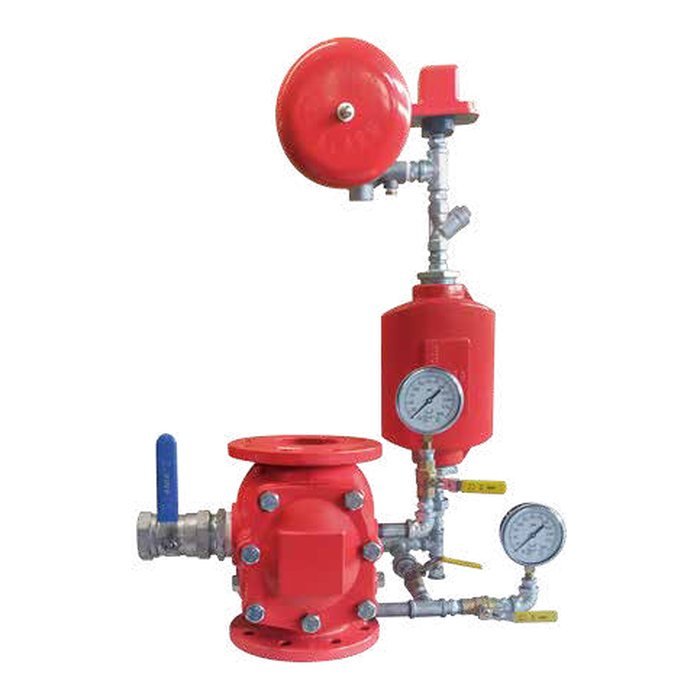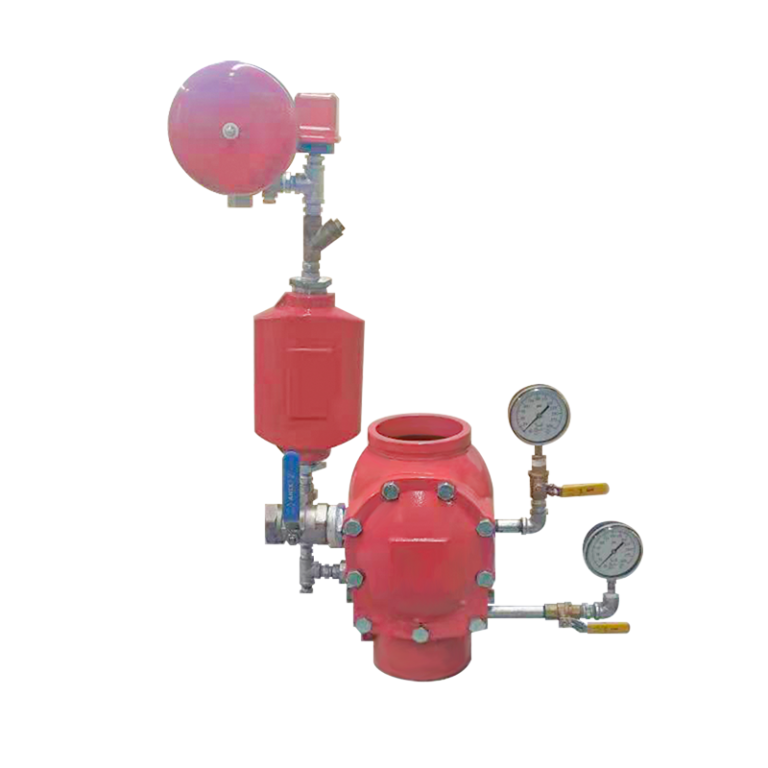
The wet alarm check valve is the heart of a wet sprinkler system’s valve room. It acts as a check valve that holds water in the system under pressure, and it raises the alarm when water starts flowing to the sprinklers. This guide explains its components and operation, the role of each part of its trim, and the MECH model specifications.
Key points
- For wet systems only, where the pipework is always full of water.
- When a sprinkler opens the internal clapper lifts, and water also passes to the alarm line.
- The retard chamber prevents false alarms from pressure surges.
- The alarm is given by a pressure switch to the alarm panel, and by a mechanical water motor gong where fitted.
How does it work?
Inside the valve a clapper sits on a seat. Normally pressure above and below it is about equal, so it stays closed. When a sprinkler opens, pressure above the clapper drops, the clapper lifts and water flows into the system. Lifting the clapper uncovers a port in the seat connected to the alarm line, so water flows to the retard chamber and on to the pressure switch and water motor gong.
Trim
| Part | Function |
|---|---|
| Two pressure gauges | Read pressure below and above the clapper |
| Retard chamber | Absorbs brief flows from supply pressure surges, so the alarm only operates on sustained flow |
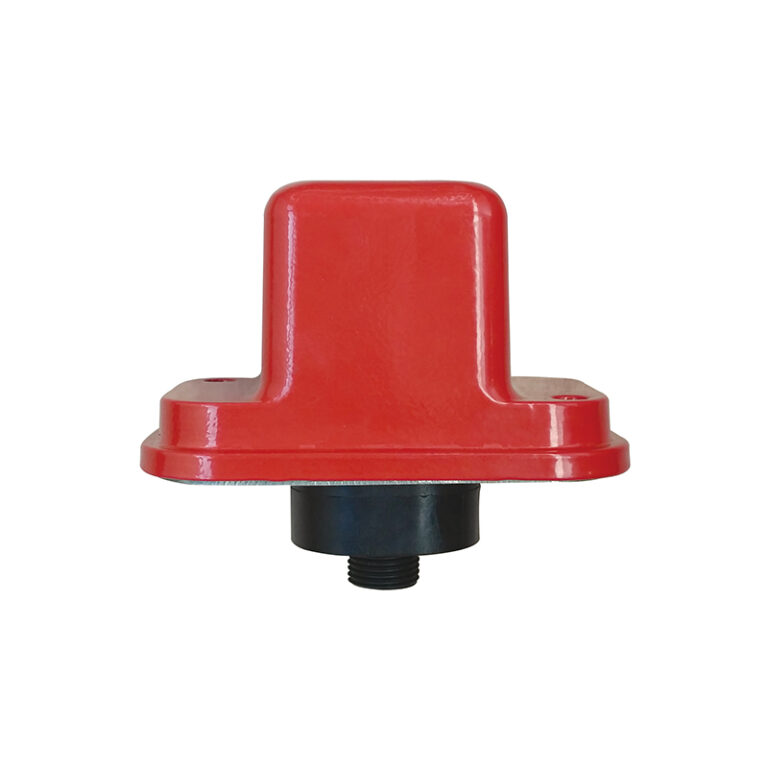
| Alarm pressure switch | Sends a waterflow signal to the alarm panel |
| Water motor gong | Mechanical audible alarm driven by water flow, with no electricity |
| Main drain valve | Drains the system and is used for the main drain test |
| Alarm test valve | Simulates flow to test the alarm without opening a sprinkler |
MECH models
| Model | Ends | Sizes | Working pressure | Approval |
|---|---|---|---|---|
| ZSFZ | Grooved AWWA C606 | 3″ – 8″ | 300 PSI (200 / 250 on request) | UL / FM |
| ZSFZ4X9 | Flanged ASME B16.1 CL125 / B16.42 CL150 | 3″ – 8″ | 300 PSI | UL; vertical installation per listing |
Caution
An alarm valve approval covers the valve with its listed trim and its installation orientation. Replacing trim parts with unlisted ones, or installing the valve in an orientation not in the listing, can void the approval.
Commissioning and testing
- Make sure the valve is installed in the direction and orientation given in the listing and data sheet.
- Open the control valve ahead of it slowly to fill the system, venting air from the high points.
- Check both gauge readings once the system has settled.
- Open the alarm test valve and confirm the pressure switch and water motor gong operate and the signal reaches the panel.
- Carry out periodic tests under the NFPA 25 programme.
Frequently asked questions
Can a wet alarm valve be used on a dry system?
No. Dry systems use a dedicated dry pipe valve that holds water back with air pressure in the system.
Why does the system alarm without a fire?
Usually because of supply pressure surges. The retard chamber and the delay timers on pressure switches reduce this, and leaks in the system should also be checked.
How does an alarm valve differ from a flow indicator?
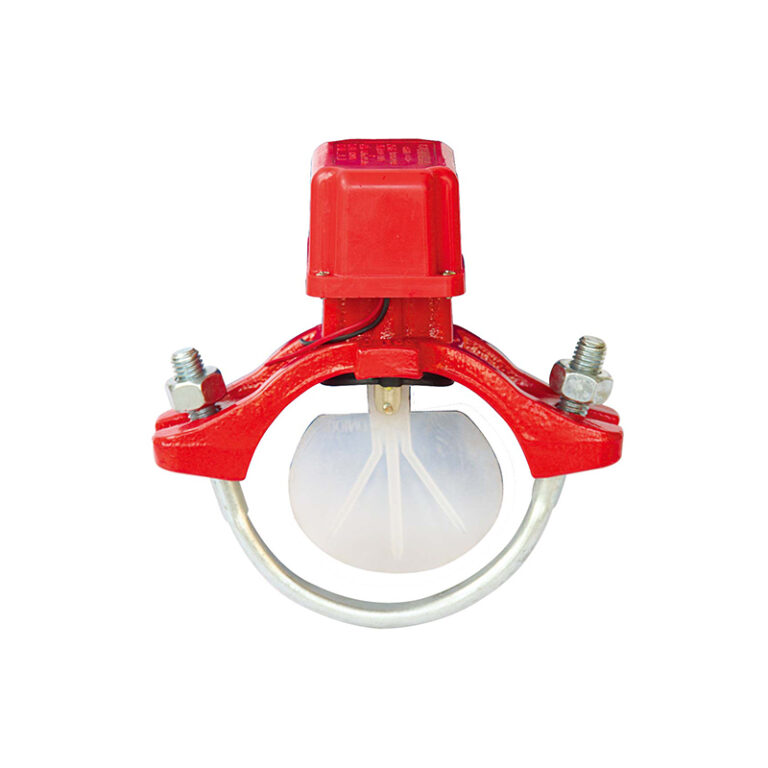
The alarm valve serves the whole system from the valve room; flow indicators on branches or floors identify the zone where water is flowing.
References
- NFPA 13 — Standard for the Installation of Sprinkler Systems.
- NFPA 25 — Inspection, Testing, and Maintenance of Water-Based Fire Protection Systems.
- UL 193 — Alarm Valves for Fire-Protection Service.
- MECH data for models ZSFZ and ZSFZ4X9 on the product pages below.
This guide is for technical awareness and does not replace the manufacturer’s data sheet or the requirements of the project’s approved designer.