A fire system must not only work when needed; it must report any fault before a fire happens. That is the job of the small electrical switches fitted around the system: pressure switches, which monitor water or air pressure, and supervisory switches, which signal if a control valve is moved from open. This guide explains the difference, where each is used, and the MECH model specifications.
Key points
- A pressure switch changes contact state when pressure rises above or falls below a set point.
- A supervisory switch sends a supervisory signal when a control valve leaves the fully open position.
- Both connect to the fire alarm panel under NFPA 72.
- A supervisory signal means a fault needing attention, not a fire alarm.
Pressure switches
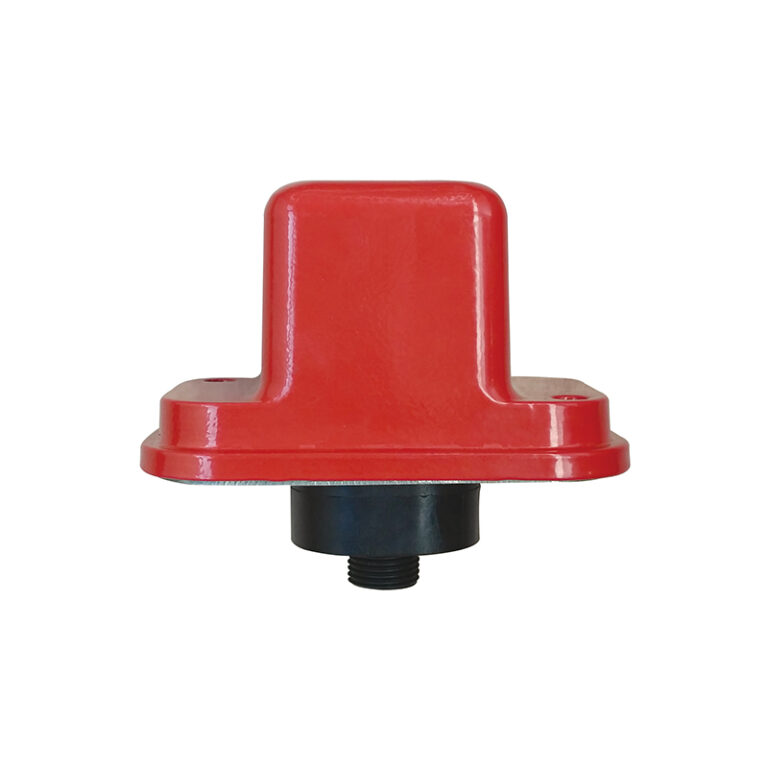
A pressure switch has a diaphragm or piston that moves with pressure and an adjustable spring that sets the operating point. When pressure reaches that point the electrical contact changes state.
Common uses in fire systems:
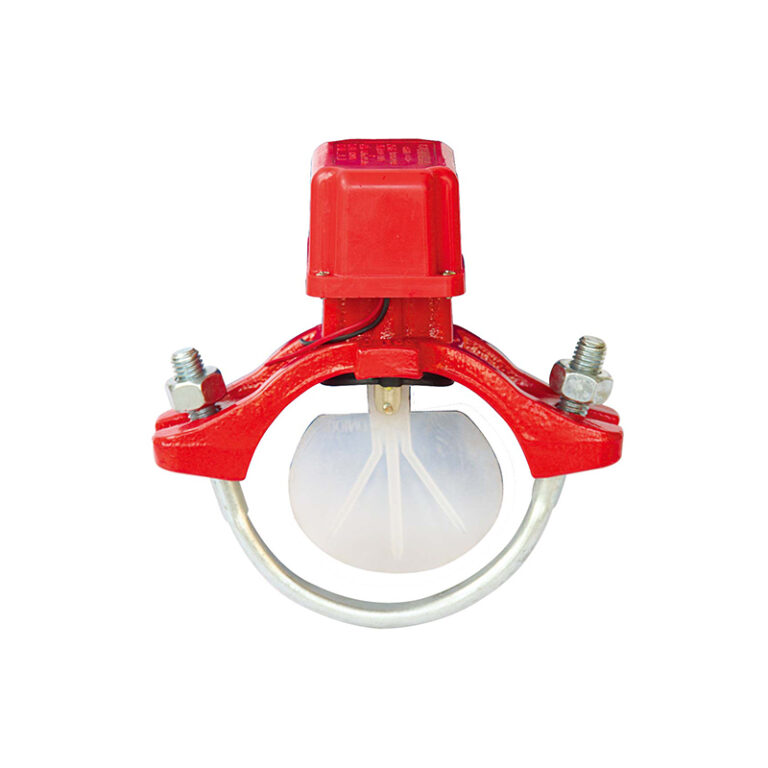
- Waterflow alarm at the alarm valve: fitted on the alarm line, it signals when pressure rises there as water flows.
- Air pressure supervision in dry systems: signals when air pressure falls below the set limit.
- System pressure monitoring: to warn of an abnormal pressure drop.
MECH YLKG-10
| Item | Value |
|---|---|
| Connection | 1/2″-14 NPT |
| Pressure ranges | 5–20 psi, 15–55 psi, 20–120 psi |
| Electrical rating | 15 A at 125/250 VAC |
| Temperature | 0 – 80 °C |
| Cover | Tamper-resistant screws, optional cover tamper switch |
Valve supervisory switches
NFPA 13 requires control valves to be supervised open. The supervisory switch senses the valve position and sends a supervisory signal as soon as the valve is moved from fully open, so a valve closed by mistake is caught before it disables the system.
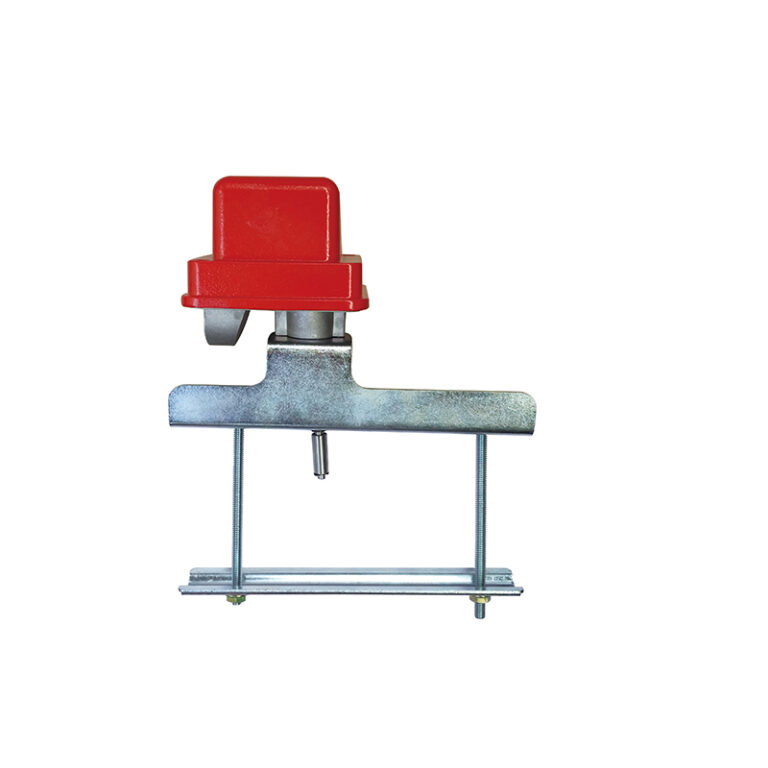
- For OS&Y valves: fitted to the yoke and senses stem movement. The MECH MXHQ covers 2″ – 24″, rated 15 A at 125/250 VAC, UL / FM approved, and listed against NFPA 13, 13D, 13R and 72.
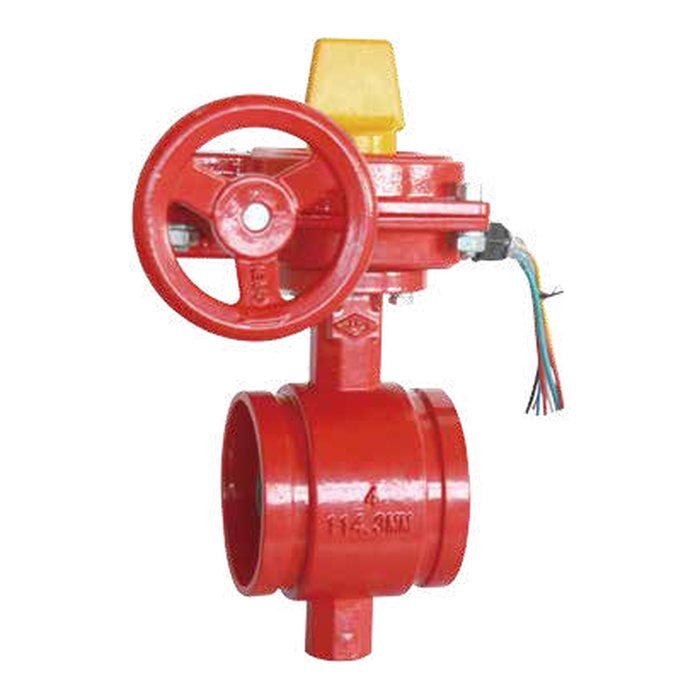
- For butterfly valves: the switch is built into the gear operator, as on models XD381X and XD371XG.
Caution
A supervisory switch must be set to signal during the first part of the closing movement, not only when fully closed. Follow the device data sheet and test it after installation.
Installation and testing
- Fit the pressure switch where the design specifies, with an isolation valve for maintenance if the data sheet allows.
- Choose the pressure range for the application and set the operating point as the designer requires.
- Fit the supervisory switch to the valve and set it to change state at the start of closing.
- Wire to the alarm panel per the designer’s drawings and NFPA 72.
- Test each switch: change the pressure or move the valve and confirm the correct signal arrives.
Frequently asked questions
What is the difference between an alarm signal and a supervisory signal?
An alarm signal means an event needing immediate response, such as water flow; a supervisory signal means a fault in system readiness, such as a closed valve or low air pressure.
Which YLKG-10 range should I choose?
It depends on the use and the pressure at which the contact must change. The designer sets the operating point, then the range covering it is chosen.
Can a lock replace a supervisory switch?
NFPA 13 allows several supervision methods, including locking and sealing in certain cases; the accepted method is set by the code, Civil Defense requirements and the consultant.
References
- NFPA 13 — Standard for the Installation of Sprinkler Systems.
- NFPA 72 — National Fire Alarm and Signaling Code.
- NFPA 25 — Inspection, Testing, and Maintenance of Water-Based Fire Protection Systems.
- MECH data for models YLKG-10 and MXHQ on the product pages below.
This guide is for technical awareness and does not replace the manufacturer’s data sheet or the requirements of the project’s approved designer.