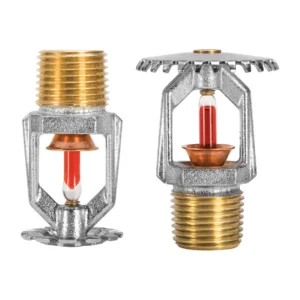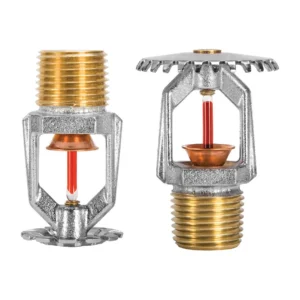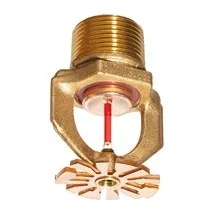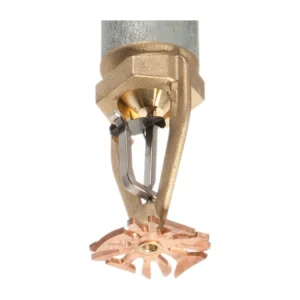
The sprinkler is the last part of a fire system and the first to meet the fire. Choosing its type is not just about looks: the mounting orientation decides how water spreads over the area, and the wrong type can leave parts of a room unprotected. This guide explains the main types and when to use each, with the TYCO models available from Fu-Mech.
Key points
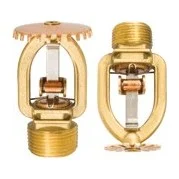
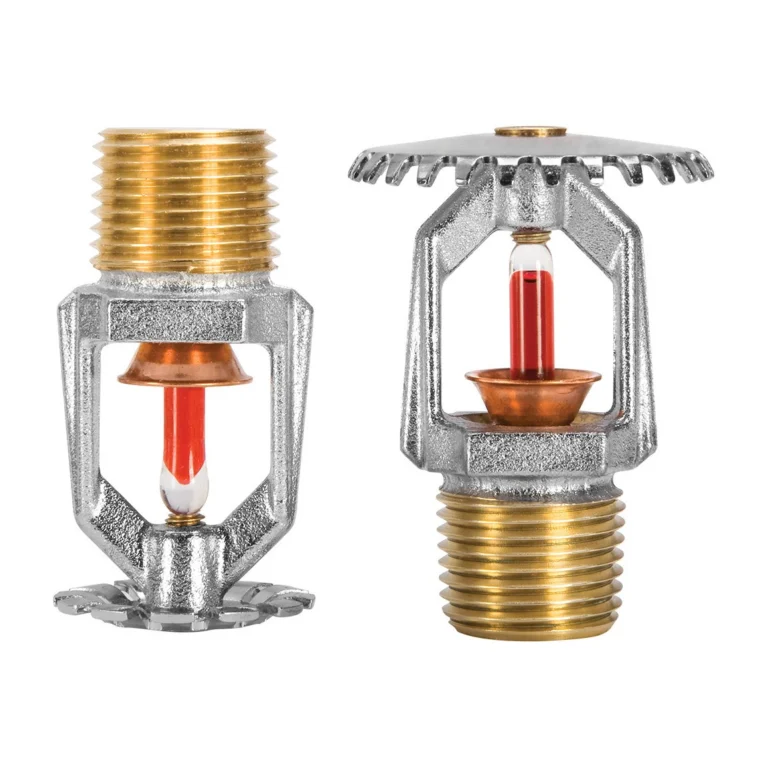
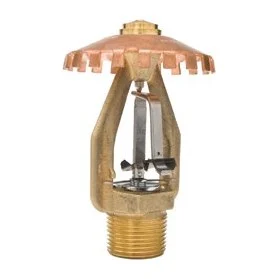
- Upright: on top of exposed pipe, for spaces without a suspended ceiling.
- Pendent: below the pipe, the most common choice with a suspended ceiling.
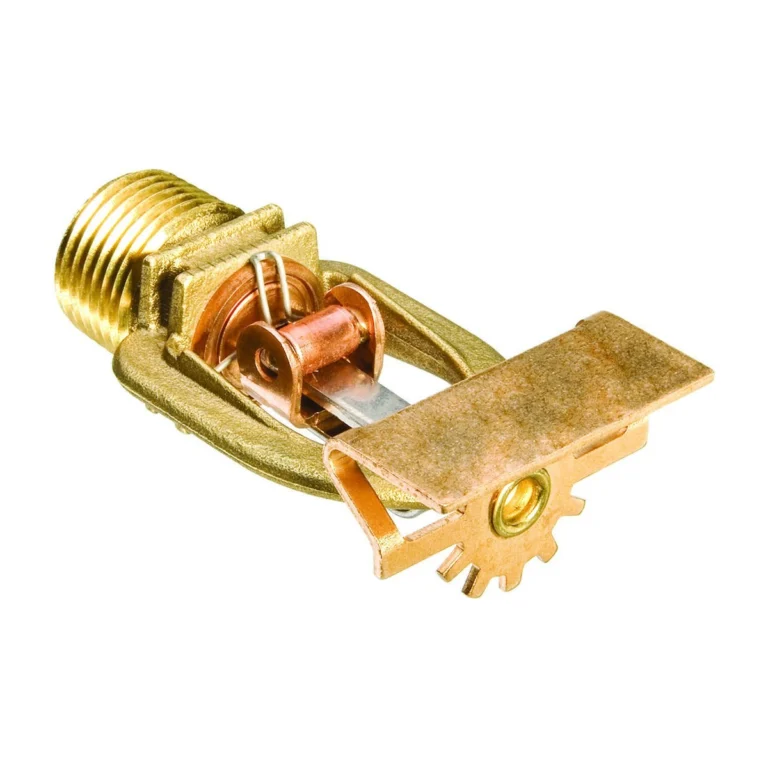
- Sidewall: on the wall, for rooms and corridors where ceiling pipework is hard to run.
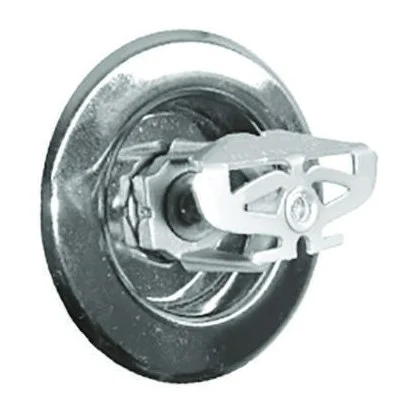
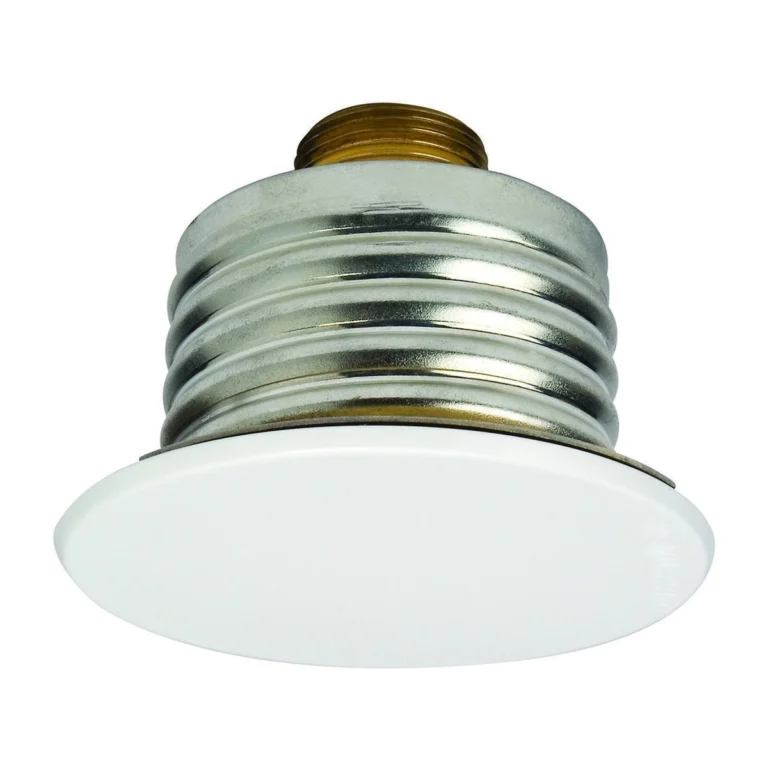
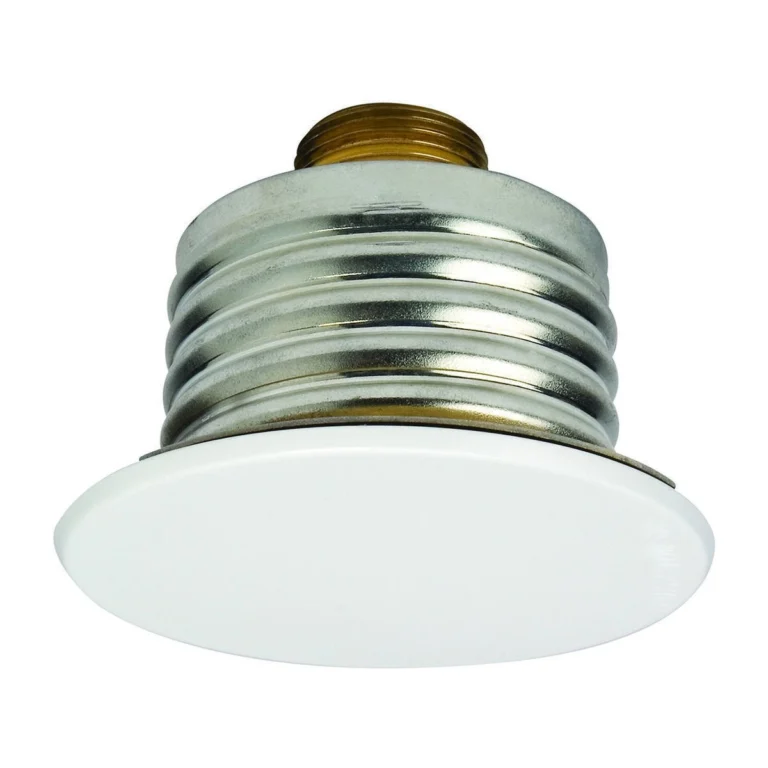
- Concealed: a pendent behind a flat cover plate, for spaces where appearance matters.
- Each sprinkler has one listed orientation; an upright is never installed upside down, or the reverse.
How a sprinkler works
Every sprinkler is closed by a thermal element: a liquid-filled glass bulb or a fusible solder link. When the heat of a fire reaches the element’s operating temperature it breaks or melts, water flows and strikes the deflector, which spreads it in a set pattern. The deflector shape defines the type, so each type has a single mounting orientation stated in its datasheet, and each sprinkler operates on its own, only above the fire.
When to use each type
- Upright: car parks, plant rooms, warehouses and any space with no suspended ceiling; mounted above the pipe so debris does not settle in its fitting.
- Pendent and recessed pendent: offices, corridors and hotels with suspended ceilings. A recessed pendent sits partly within the ceiling with an escutcheon.
- Sidewall: hotel rooms and narrow corridors, or wherever ceiling pipework is impractical. Horizontal sidewalls throw forward; vertical sidewalls mount above or below the pipe on the wall.
- Concealed: lobbies and premium offices; the cover plate drops away in the heat and the sprinkler then operates.
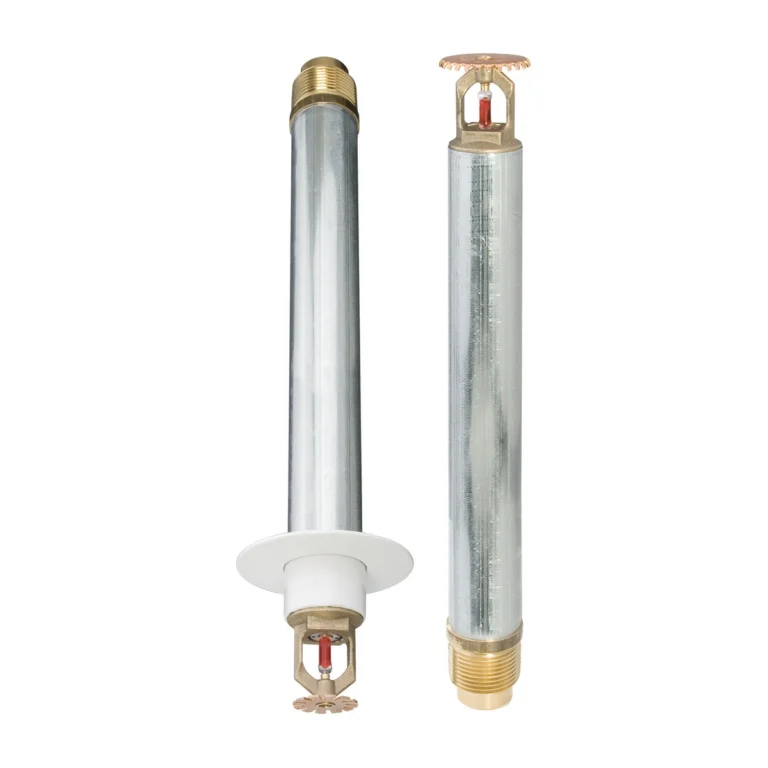
- Dry: for areas exposed to freezing such as cold rooms, connected to a wet system without water entering the sprinkler.
- ESFR: for high-piled storage, with its own design rules. See the ESFR sprinkler guide.
TYCO models available
| Series | Orientation | K-factor | Response | Datasheet |
|---|---|---|---|---|
| TY-L | Upright, pendent, recessed pendent | K 5.6 / 8.0 | Standard | TFP110 |
| TY-B | Upright, pendent, recessed pendent | K 5.6 / 8.0 | Standard | TFP151 |
| TY-L / TY-B | Horizontal / vertical sidewall | K 5.6 | Standard | TFP161 |
| RFII | Concealed pendent | K 5.6 | Quick or standard | TFP181 |
| ILLUSION | Concealed pendent | K 11.2 | Quick | TFP184 |
| DS-1 | Dry: pendent, upright, sidewall | K 5.6 | Standard | TFP500 |
| ESFR-17 | Upright / pendent for storage | K 16.8 | Early suppression, fast response | TFP322 |
The critical point: choose by hazard before shape
The hazard classification (light, ordinary, extra, storage) sets the water density and the area each sprinkler protects, and from these the K-factor and pressure follow. Only then is the orientation chosen to suit the ceiling. Response and temperature rating should also be consistent within a room, and clearances from walls and obstructions must follow the datasheet.
Warning
Do not mix sprinkler types or responses in the same space, and replace a damaged sprinkler only with the same model, K-factor and temperature rating. Never paint a sprinkler or its cover plate.
Selection steps
- Establish the hazard classification of the space from the approved design.
- Set the K-factor and coverage (standard or extended) from the hydraulic calculation.
- Choose the orientation for the ceiling: exposed, suspended or wall.
- Choose the response and temperature rating for the location.
- Specify the finish and escutcheon or cover plate, and confirm the UL or FM approval required.
Common mistakes
- A pendent installed in the upright position, or the reverse.
- A concealed sprinkler with a cover plate from another model; the plate is part of the listing.
- A sidewall set further below the ceiling than allowed.
- Obstructions such as ducts and light fittings blocking the spray pattern.
- Spare sprinklers that do not match those installed.
Frequently asked questions
Can an upright sprinkler be used with a suspended ceiling?
An upright sits above the pipe and sprays at the ceiling, so it does not suit a space below a suspended ceiling that would block it. Pendent or concealed sprinklers are used there.
What is the difference between recessed pendent and concealed?
A recessed pendent shows partly below the ceiling with an escutcheon. A concealed sprinkler shows only a flat cover plate that drops away in the heat.
When do I need a dry sprinkler?
When the sprinkler sits in a space that may freeze while the supply pipe is in a heated area, such as a cold room.
Are sidewall sprinklers less effective?
No, but they are designed for the room sizes and dimensions in their datasheet and are used within those limits.
References
- NFPA 13 — Standard for the Installation of Sprinkler Systems
- UL 199 — Automatic Sprinklers for Fire-Protection Service
- FM Class 2000 — FM Approvals standard for automatic sprinklers
- TYCO — Datasheets TFP110, TFP151, TFP161, TFP181, TFP184, TFP500 and TFP322
Product information comes from its pages on this site and the manufacturer datasheets; other points are general engineering practice. Final design and selection rest with the project’s approved designer.
Part of a complete guide
This article is part of The Complete Guide to Sprinkler Systems in Saudi Arabia: Types, Components and Testing.