
TECHNICAL LIBRARY
Pipes, threaded fittings & flanges
Practical guides for fire-protection and water engineers and contractors: product differences, how to choose, and the formulas you need on site. Every article is reviewed by our technical team.
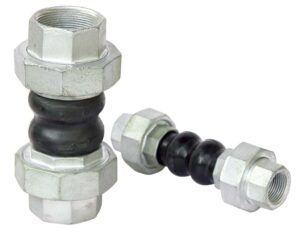
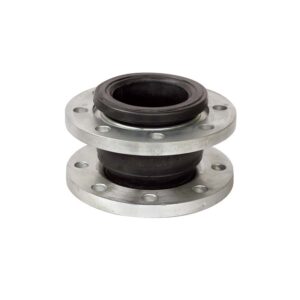
Pipes, threaded fittings & flangesPressure Ratings Explained: 175 and 300 PSI, PN16 and Class 125/150How to read working pressure on a datasheet, the difference between a valve body rating and a flange class, with a psi,…Pipes, threaded fittings & flangesFlange Compatibility: American Class 125/150 versus European PN16, and When the Holes Line UpA comparison of flange diameter, bolt circle and number of holes between ASME and EN PN16 flanges from 2 to 12 inch,…Pipes, threaded fittings & flangesPipe Size Chart: DN, Inch, Outside Diameter and Wall ThicknessOne table linking nominal diameter DN to inch size, outside diameter and Schedule 40 wall thickness, with the key warning when ordering…Pipes, threaded fittings & flangesFlexible Rubber Joints: When to Use Them and How to InstallHow flexible rubber joints isolate vibration and absorb movement at pumps and equipment, common installation mistakes, and the MECH specifications.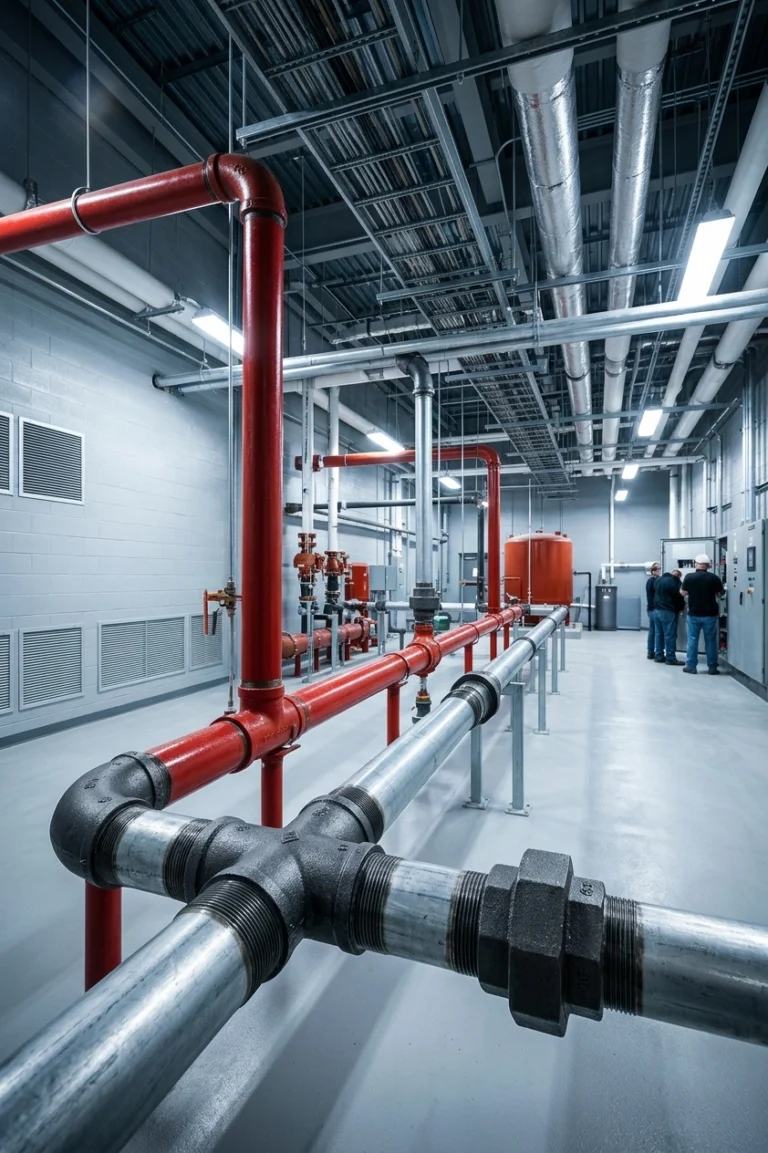 Pipes, threaded fittings & flangesMalleable Iron Threaded Fittings: American or British? NPT vs BSPTAmerican versus British malleable iron threaded fittings, why NPT and BSPT threads do not mix, and thread-sealing points for fire systems.
Free engineering tools DN ↔ inch converter, sprinkler flow calculator (K-factor) and pressure unit converter. Open the tools 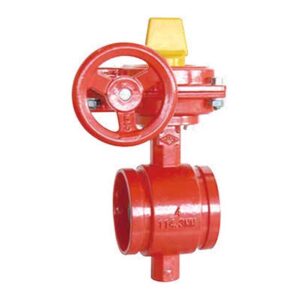
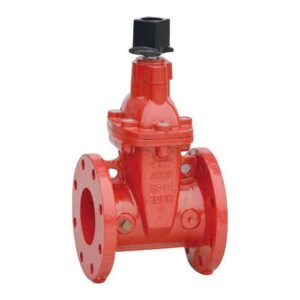
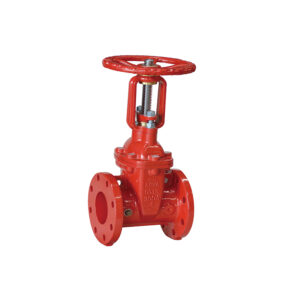
 Pipes, threaded fittings & flangesMalleable Iron Threaded Fittings: American or British? NPT vs BSPTAmerican versus British malleable iron threaded fittings, why NPT and BSPT threads do not mix, and thread-sealing points for fire systems.
Send your BOQ and get a detailed quotation
Upload your BOQ or specs and our technical team will match products and prepare the offer.