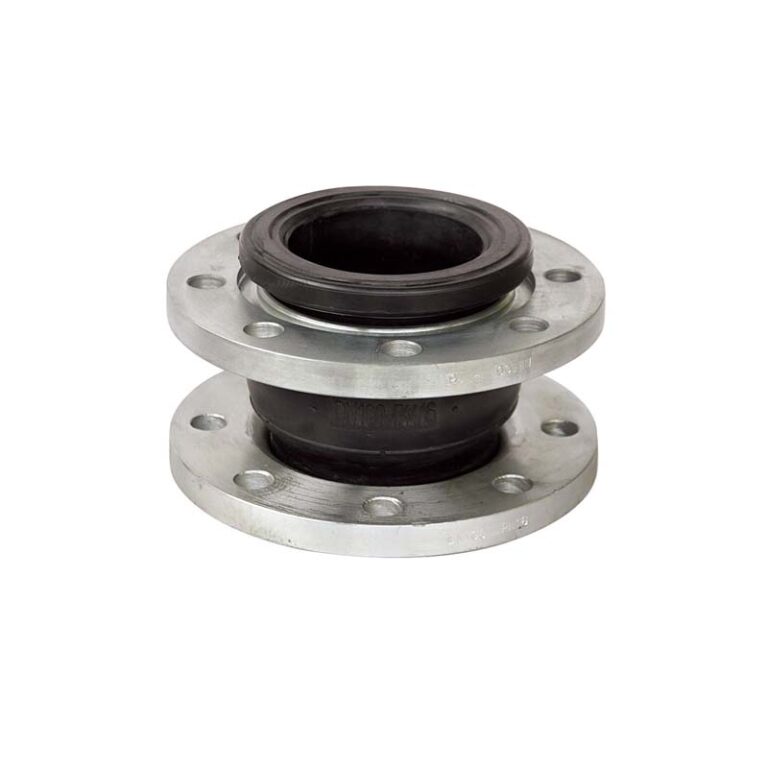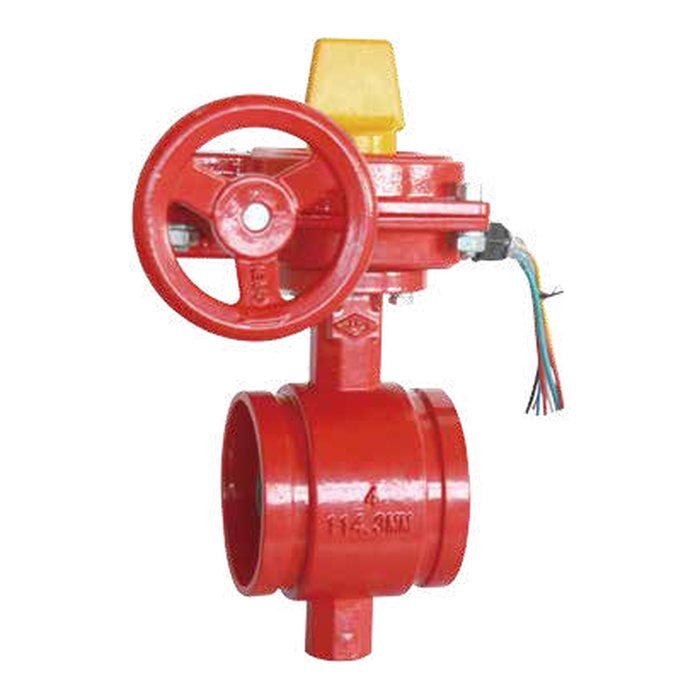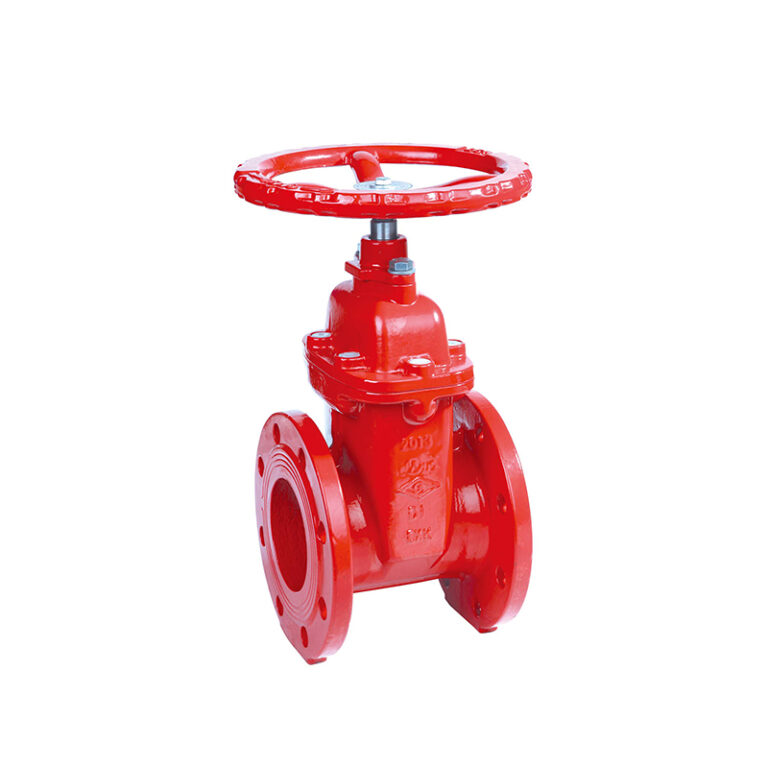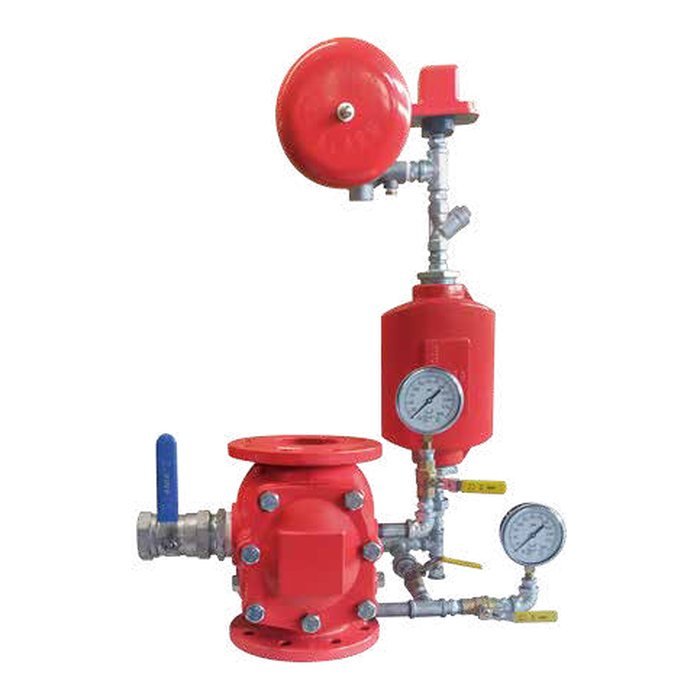

The MECH swing check valve flange red ul/fm, model H44X2, sizes 2″ – 12″ (DN50 – DN300), working pressure 300 / 363 PSI (200 / 250 PSI on request), UL / FM / LPCB approved. It lets water flow one way and stops it flowing back. This guide explains what it does and how it works, related models, technical data, the critical point in selection and installation, and common mistakes. For more, read the guide check valves in fire protection.
At a glance
- A check valve opens under flow in the right direction and closes automatically when flow stops or reverses, preventing backflow from the system to the supply or from one pump into another.
- Sizes 2″ – 12″ (DN50 – DN300).
- Working pressure 300 / 363 PSI (200 / 250 PSI on request).
- Approvals: UL / FM / LPCB.
- Connection: Flange ASME B16.1.
- Operating temperature: 0 – 80 °C.
Check valve: what it does and how it works
A check valve opens under flow in the right direction and closes automatically when flow stops or reverses, preventing backflow from the system to the supply or from one pump into another.
The swing type has a clapper hinged on a pin; the wafer type is slim and fits between two flanges to save space. It is used on fire pump discharges, fire department connections and network supplies.
Related models
| Model | Product | Sizes | Pressure | Approvals |
|---|---|---|---|---|
| WAFER CHECK VALVE ANSI UL/FM RED | WAFER CHECK VALVE ANSI UL/FM RED | 2″ – 16″ (DN50 – DN400) | 300 PSI | — |
| H84X | SWING CHECK VALVE GROOVED RED | 2″ – 12″ (DN50 – DN300) | 300 / 363 PSI | UL / FM / LPCB |
| H44X2 — this product | SWING CHECK VALVE FLANGE RED UL/FM | 2″ – 12″ (DN50 – DN300) | 300 / 363 PSI | UL / FM / LPCB |
Technical data
| Item | Specification |
|---|---|
| Connection ends | Flange ASME B16.1 |
| Working pressure | 300 / 363 PSI (200 / 250 PSI on request) |
| Temperature | 0 – 80 °C |
| Coating | FBE — ANSI/AWWA C550 |
| Approvals | UL / FM / LPCB |
| Sizes | 2″ – 12″ (DN50 – DN300) |
Dimensions for every size are in the size table at the top of the page.
Direction and orientation
The arrow on the body must point with the flow, and the orientation (horizontal or vertical with upward flow) must be within what the model’s listing and datasheet allow.
Caution
Do not fit a check valve directly after an elbow or pump without the recommended straight run, as turbulence makes the clapper chatter and wear.
Installation steps
- Check the arrow points with the flow.
- Install in a listed orientation, with enough straight pipe upstream.
- For wafer type: make sure the disc moves freely within the adjacent flanges.
- Test closure after commissioning.
Common mistakes
- Installing it against the flow.
- Fitting it right after an elbow or pump so it chatters.
- Vertical downward-flow installation that is not allowed.
Files and ordering
On this page: Product datasheet, MECH Fire Protection Valves Catalogue (UL/FM), Material Safety Data Sheet (MSDS). Add the product to your request list with size and quantity and we send a quotation, or build a submittal PDF for the consultant. Fu-Mech is the exclusive MECH agent in Saudi Arabia.
Frequently asked questions
What is the difference between swing and wafer types?
A swing check has a hinged clapper and is easy to inspect; a wafer check is slimmer and fits between two flanges. See check valves.
Where is it installed in a fire system?
On fire pump discharges, the fire department connection and network supplies, per the design.
What is the working pressure of model H44X2?
300 / 363 PSI (200 / 250 PSI on request) per the product data. The pressure for each size or listed model is in the size table and datasheet.
What approvals does it carry?
UL / FM / LPCB per the product data. Check the size and listed model in the approval listings, and see how to verify UL and FM approvals.
What end connection does it have?
Flange ASME B16.1. Choose the connection that matches the adjacent pipe and fittings.
References
- ASME B16.1 — Gray Iron Pipe Flanges and Flanged Fittings
- AWWA C550 — Protective Interior Coatings for Valves and Hydrants
- MECH catalogue — Fire fighting valves
This guide is general information to help with selection. Figures come from the product data on this page and the MECH catalogue; final design is by the project’s approved designer to the applicable standards and the project specification.